
You are using an out of date browser. It may not display this or other websites correctly.
You should upgrade or use an alternative browser.
You should upgrade or use an alternative browser.
LONG RANGE CALIBERS FOR ELK ARE NOT MANDATORY
- Thread starter grumpyvette
- Start date

this video link is very important,
what he is stating is that you must select ,a high sectional density projectile that consistently,
penetrates far more consistently and lethally , as a general rule,
you'll want a a sectional density in the 270-280 range
but your far better off with something a bit heavier for caliber, on any elk or bear.
for dangerous game something in the 280 or higher range,
getting in close and precise shot placement has always been advisable
and a premium bullet that will penetrate deeply ,
in some smaller caliber bullets of course finding a heavy bullet is much less easily found
lets do a few examples
and you'll see why heaver bullets in heavier calibers work better in most cases
and why pistol bullets rarely provide as consistent of penetration due to low sectional density and lower average velocity
a 270 win 150 grain minimum 278 sd
30 caliber 180-200 grain 273- 302 sd
338 caliber 215-250 grain 269- 313 sd
35 caliber 225-250 grain 251-279 sd
375 caliber 250-300 grains 255-306 sd
44 caliber, 280 -310 grain 216-239
458 caliber 350-500 grain. 239-341
500 caliber 440 grain .251 sd
BTW this is where the experienced hunter has learned to be well inside the rifles lethal range
a bullet doe ALL THE work it must both expand and penetrate deeply and consistently to work and shot placement is always critical.
and why rifles in 338-45 caliber rifles that use heavier bullets , like a 250 grain 338, 250 grain in a 35 caliber and a 350-405 grain hard cast bullet not a jacketed bullet in a 45/70 or 450 marlin or 450 grain in a 458 produce consistent result's in a rifle you'll depend on you surviving if you place your shots well, but the bullet should slowly but consistently expand as it penetrates
keep that in mind as a huge factor that determines your rifle shots potentially rapid lethality
a great many of the people that were my mentors swore that the 30/06 with a 220 grain bullet was the ideal elk cartridge some never changed but the are we hunt rarely allows shots over 200 yards, in the following years the 35-45 caliber rifles became far more popular
the 35 Whelan the 358 win both loaded with 250 grain bullets and the marlin 45/70 and browning BLR ,450 marlin loaded mostly with 400 grain hard cast gas check bullets, all gained followers that swear they saw better results
(yes I've seen elk killed with a 257 Roberts , a 6.5mm Swedish and a 270 win, but during cleaning the game,
it was obvious near perfect shot placement was the cause)

Bullet Sectional Density Matters — Ron Spomer Outdoors
A bullet's sectional density determines its ability to penetrate any medium, but its B.C. influences penetration, too. Here's how it all works.
 www.ronspomeroutdoors.com
Sectional Density of Bullets — What You Need to Know « Daily Bulletin
by Sierra Bullets Ballistic Technician Paul Box All of us who have been in reloading and shooting for any period of time have read how sectional density has been regarded as a bullet’s ability to penetrate.
AI Overview
To calculate the sectional density of a bullet, use the formula Sectional Density (SD) =
(Weight in grains ÷ 7,000) ÷ (Diameter in inches)². [1, 2]
The Calculation Steps
- Find the bullet weight in grains: Check the box or manufacturer data for the weight (for example, 175 grains).
- Convert grains to pounds: Divide the weight by 7,000 because there are 7,000 grains in one pound.
- Find the bullet diameter in inches: Look up the caliber diameter (for example, .308 inches for a .30-caliber bullet).
- Square the diameter: Multiply the diameter by itself (diameter × diameter).
- Divide the weight in pounds by the squared diameter: This gives you the final sectional density number. [1, 2, 3, 4, 5]
Last edited:
super Redhawk in 44 mag MINIMUM,
far better is the 480 Ruger or 454 cassul.
having fired all three rather extensively I pick a 7.5"
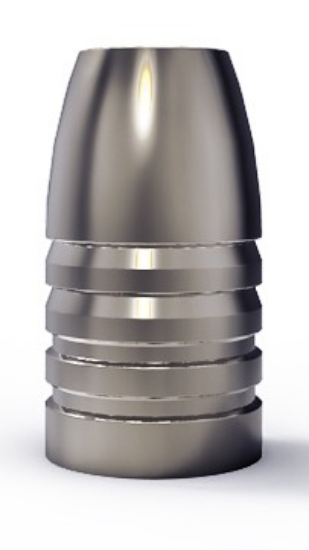
Ruger 480 EVERY TIME with my hard cast bullet handloads

or a S&W 500 mag in a 7.5" barrel revolver with similar 440-500 grain handloads
the projectile does all the work, 30/06 springfield
a 200 grain 30 caliber bullet like this, has repeatedly work
https://www.speer.com/bullets/rifle-bullets/hot-cor-rifle-bullet/19-2211.html
even better a true premium bullet
Last edited: