you should read these links
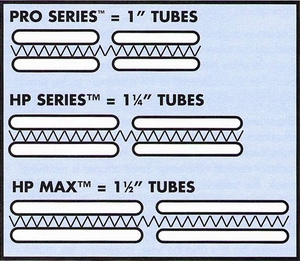
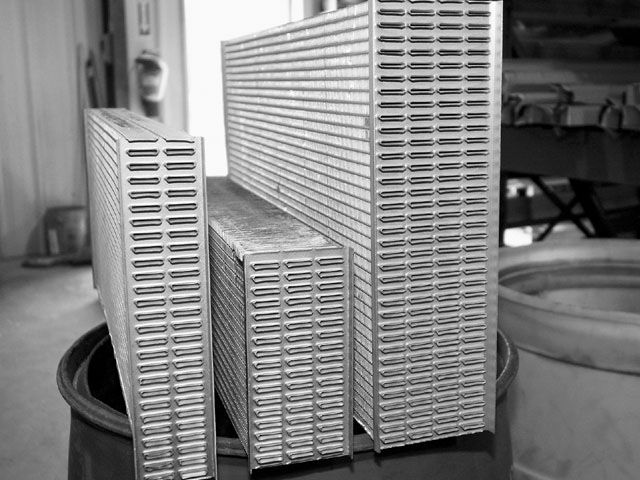
the size of the radiator is only one factor, fin count,per square inch, tube size,fan duct design, fan size, blade count,engine or electric driven, added oil coolers,ignition advance curve, available alternator amps, fuel octane , shroud design,etc. all effect cooling efficiency
yes a radiator can be too small, for the application, but you can increase the cooling efficiency of the components that fit into the car, with several component changes or mods to the OEM design.
.http://garage.grumpysperformance.com/index.php?threads/14-rules-for-improving-engine-cooling-system-capability.6888/
Reduce Coolant Operating Temperatures

www.powernationtv.com
Cast a vote for Mechanical vs Electrical fans for a sbc 350 daily driver with air conditioning that experiences stop and go traffic in Arizona summers with temp greater than 110F. Which set up would most effectively keep the engine
garage.grumpysperformance.com
have you ever read stuff posted on line and just shake your head at the lack of facts or in some cases outright MS-INFORMATION being posted? Honestly I'm amazed at the common myths and out right ms-information that's constantly repeated over and over as if it were facts, and a bit mystified that...
garage.grumpysperformance.com
So here is what I got. I have an electric fan on my car. I'm getting a new radiator that is a good bit thicker in the car and the aluminum shroud would require some... Modification to fit. My question is would it be advantageous to modify the shroud over just attaching the fan directly to the...
garage.grumpysperformance.com
as a general rule the 3 & 4 row designs tend to cool better because a higher percentage of coolant is in direct contact with the internal aluminum tubes surface and that makes transfer of the heat to the fins that dissipate the heat more efficient,and don,t forget an efficient fan and shroud are critical to cooling but not all radiator cores are even close to equal, theres a huge variation in quality and some designs are far superior
(1) the larger the heat transfer surface area the better the system tends to operate, but a minimum of about 1.5-2 square inches of radiator fin area exposed to effective air flow per cubic inch of displacement is generally required
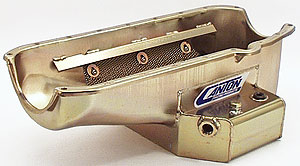
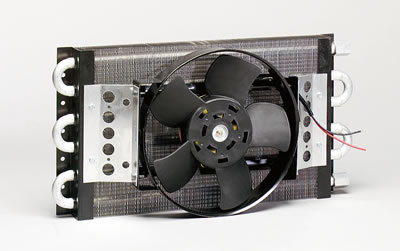
(2) oil does much of the initial heat transfer in the engine, keeping the oil cooled to no more than about 15F above the coolant temp, reduces the heat load on the radiator coolant, so adding a high capacity 7-8 quart oil pan and fan equipped, remote mounted oil cooler can dramatically reduce engine operational temps.
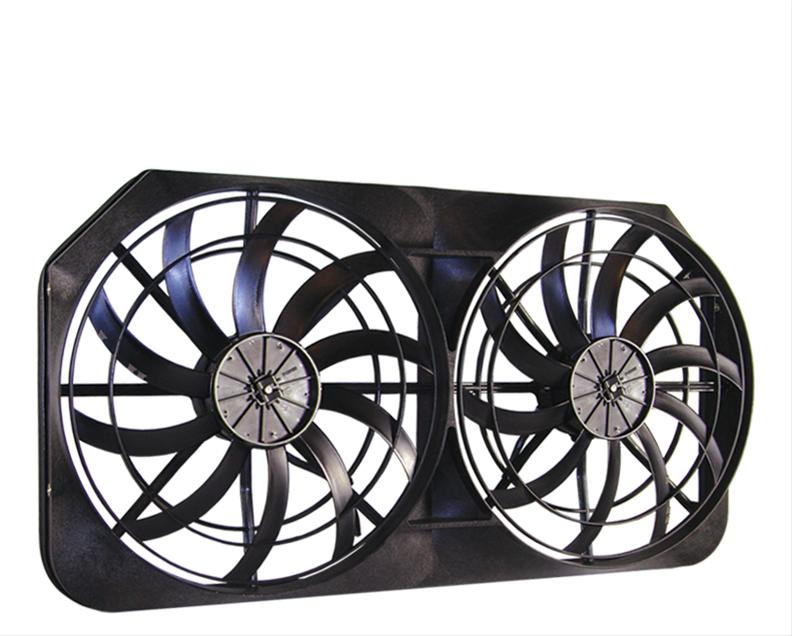
(3) air flow rates are critical so a well designed fan shroud and a fan(s) easily capable of pulling 3000 plus cubic feet per minute in air flow is very helpful
RELATED INFO
http://garage.grumpysperformance.co...per-vs-aluminum-in-radiators.4230/#post-11173
http://garage.grumpysperformance.com/index.php?threads/leaking-freeze-plugs.846/#post-1621
https://www.dewitts.com/collections/corvette-aluminum-radiators
http://garage.grumpysperformance.com/index.php?threads/copper-head-gaskets.827/#post-1231
http://garage.grumpysperformance.com/index.php?threads/preventing-leaky-head-bolts-studs.50/#post-59
http://garage.grumpysperformance.co...-system-mods-that-help.2187/page-2#post-54400
http://garage.grumpysperformance.com/index.php?threads/sealants-and-threads.805/#post-45066
http://garage.grumpysperformance.com/index.php?threads/parts-prep-cleaning.6255/#post-41064
http://garage.grumpysperformance.co...ans-cooler-on-a-c4-corvette.10514/#post-44478
http://garage.grumpysperformance.co...flow-rates-and-heat-transfer.9880/#post-37712